

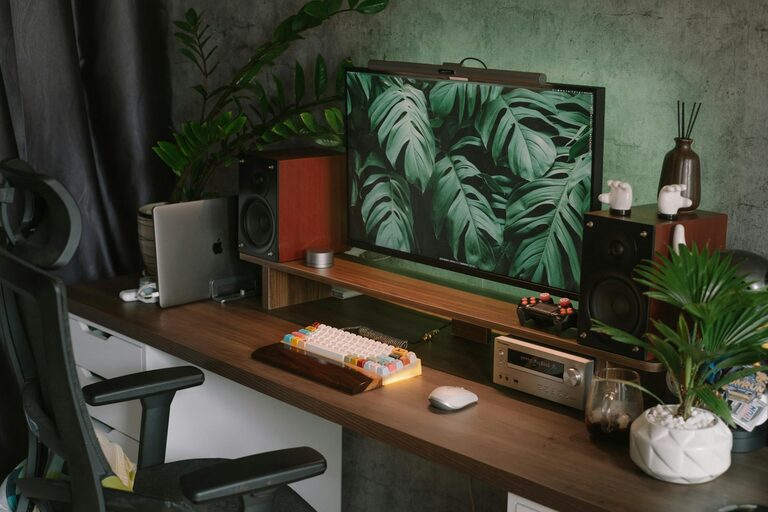
Tips for Creating a Relaxing Home Office Environment
Creating a relaxing home office environment can transform your workday, making tasks feel less stressful and more enjoyable. Whether you work remotely full-time or occasionally need a quiet spot for focused work, designing a space that promotes calm and concentration can improve both your productivity and well-being.
In this post, you’ll find practical tips for setting up a home office that feels soothing and supports your daily routine.
1. Choose the Right Location
Selecting the right spot in your home is the first step toward a relaxing workspace. Ideally, find a quiet corner or room with minimal distractions.
– Natural light: Position your desk near a window if possible. Natural light boosts mood and reduces eye strain.
– Away from noise: Avoid placing your office near loud appliances or heavy foot traffic areas.
– Dedicated space: Designate a specific area just for work, even if it’s small. This helps your mind associate the space with productivity and calm.
2. Declutter and Organize Your Space
A cluttered workspace can increase stress and disrupt focus. Keeping your home office tidy and organized contributes to a relaxed atmosphere.
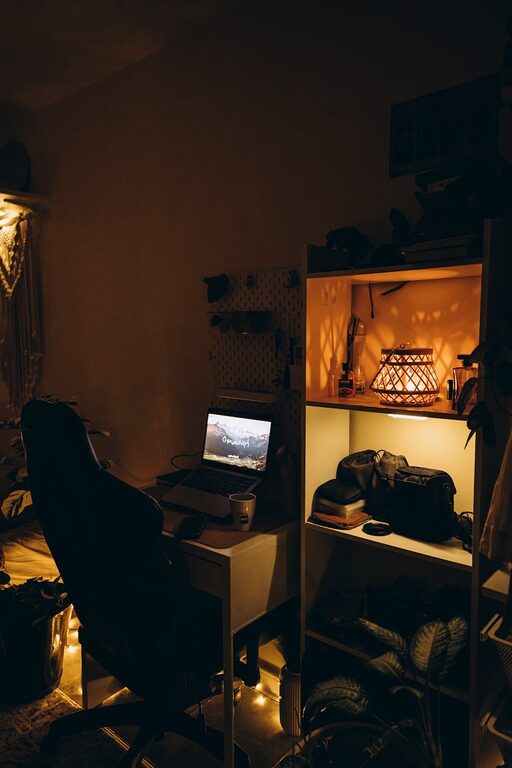
– Use storage solutions: Shelves, drawers, and boxes help keep supplies neatly out of sight.
– Daily tidy-up: Spend a few minutes at the end of each day putting things away and clearing surfaces.
– Limit distractions: Remove items that don’t belong in your office, such as unrelated paperwork or household clutter.
3. Invest in Comfortable Furniture
Ergonomic furniture supports your body and reduces discomfort, which makes working more enjoyable and less tiring.
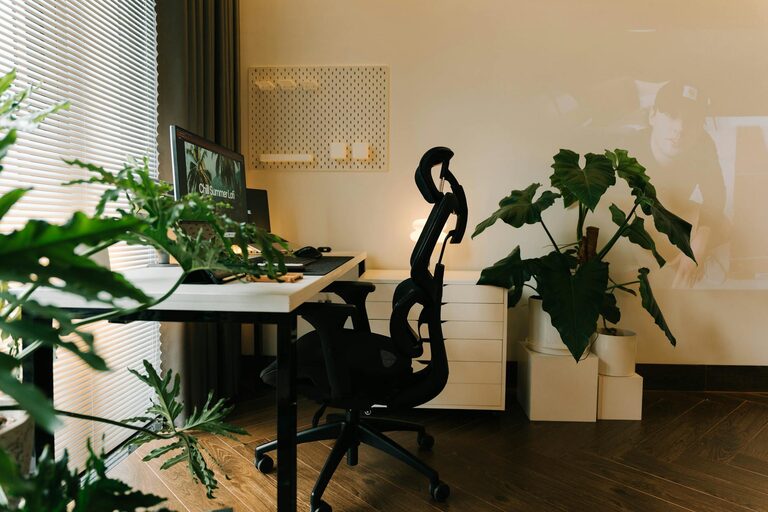
– Ergonomic chair: Choose a chair with adjustable height, good lumbar support, and comfortable cushioning.
– Desk height: Ensure your desk is at a comfortable level to avoid strain on your wrists and shoulders.
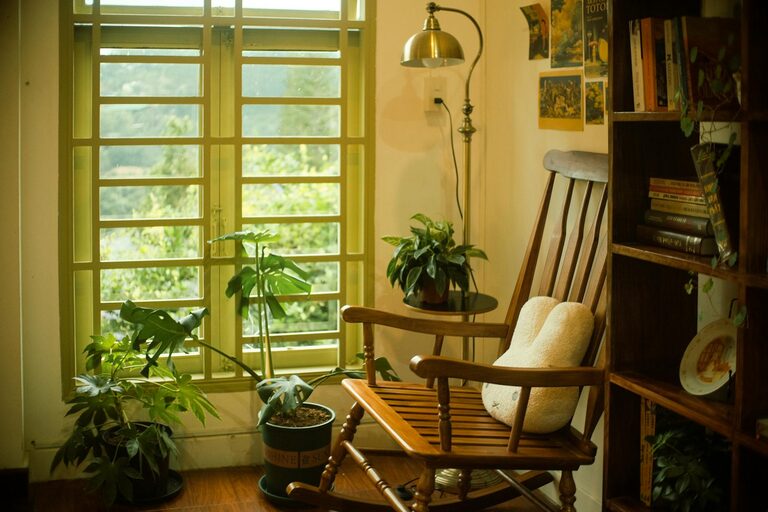
– Additional seating: Consider adding a small lounge chair or cushions for breaks to help you relax during downtime.
4. Enhance Lighting for Comfort and Focus
Proper lighting plays a key role in a relaxing environment by reducing eye strain and creating a welcoming atmosphere.
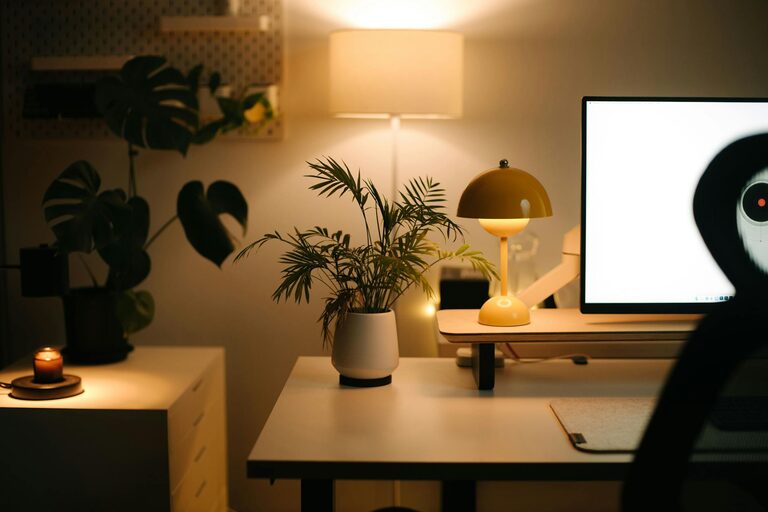
– Task lighting: A desk lamp with adjustable brightness helps you focus on work without harsh overhead light.
– Warm bulbs: Use warm-toned bulbs rather than overly bright or cool lighting to create a cozy feel.
– Adjustable options: Have different lighting settings to switch from work mode to relaxation mode easily.
5. Add Personal Touches
Incorporating a few personal items makes your space more inviting and enjoyable without causing distractions.
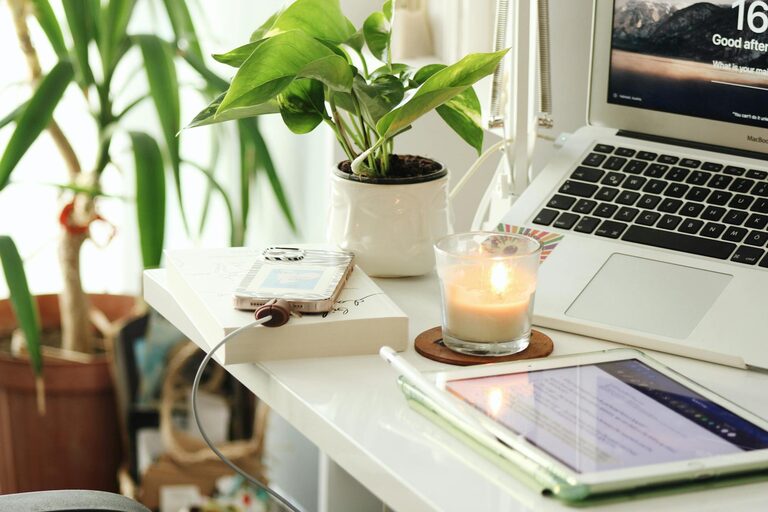
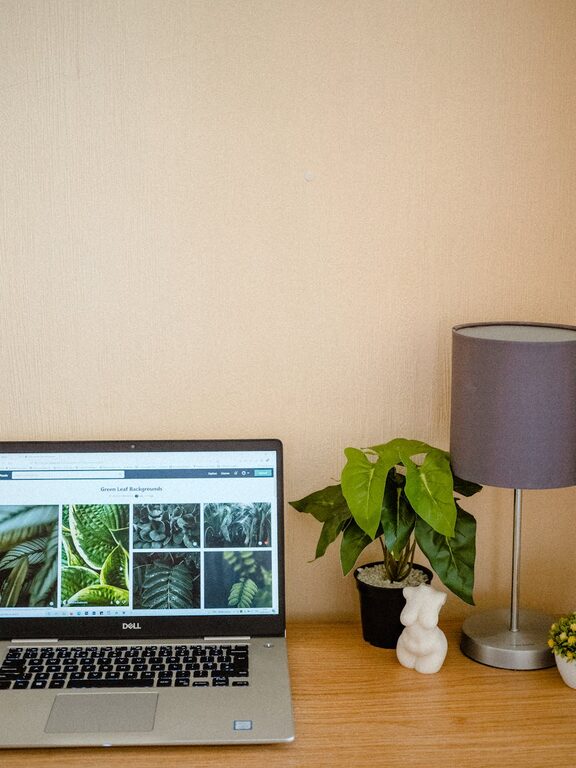
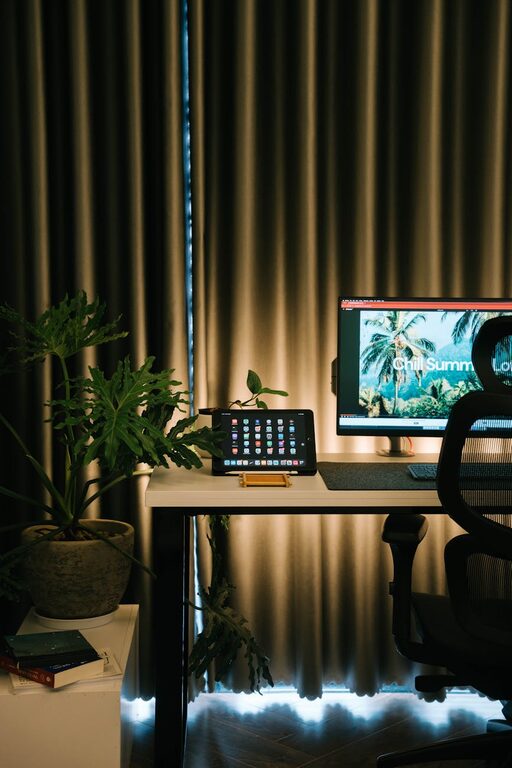
– Plants: Small indoor plants bring life and calmness to your workspace.
– Art and photos: Display tasteful artwork or family photos to inspire and uplift you.
– Color choice: Use soothing colors for walls or decorations such as soft blues, greens, or neutrals to promote tranquility.
6. Control Noise Levels
Sound affects concentration and stress, so managing noise is essential for a peaceful office.
– Noise-cancelling headphones: Useful if you work in a noisy household or shared space.
– Soft background music: Low-volume instrumental music can improve focus and mood.
– Soundproofing: Simple fixes like rugs, curtains, or weather stripping can reduce echoes and outside noise.
7. Maintain Good Air Quality
Fresh air improves alertness and comfort, contributing to a relaxing workspace.
– Ventilation: Open windows when possible to circulate fresh air.
– Air purifiers: Use a small air purifier if your environment tends to be stuffy or dusty.
– Plants: Besides decor, certain plants help purify indoor air naturally.
8. Manage Technology Mindfully
Technology is essential for modern work but can also be a source of stress if not managed carefully.
– Cable management: Keep cords organized and out of the way to avoid clutter.
– Screen breaks: Apply the 20-20-20 rule – every 20 minutes, look at something 20 feet away for 20 seconds to reduce eye strain.
– Limit notifications: Turn off non-essential alerts to maintain focus during work hours.
9. Establish a Routine to Separate Work and Relaxation
A clear routine helps your mind switch between work mode and relaxation, improving overall balance.
– Set working hours: Define when to start and stop work to avoid burnout.
– Breaks: Schedule short breaks throughout the day to stretch and relax.
– End-of-day ritual: Create a habit that signals the end of work, such as tidying your desk or turning off your computer.
—
By applying these tips, your home office can become a peaceful retreat that supports focus, reduces stress, and makes working from home a more pleasant experience. Remember, the key is to create a space tailored to your needs that feels comfortable and inspiring. With a few thoughtful adjustments, you can enjoy a work environment that helps you stay productive and relaxed alike.