

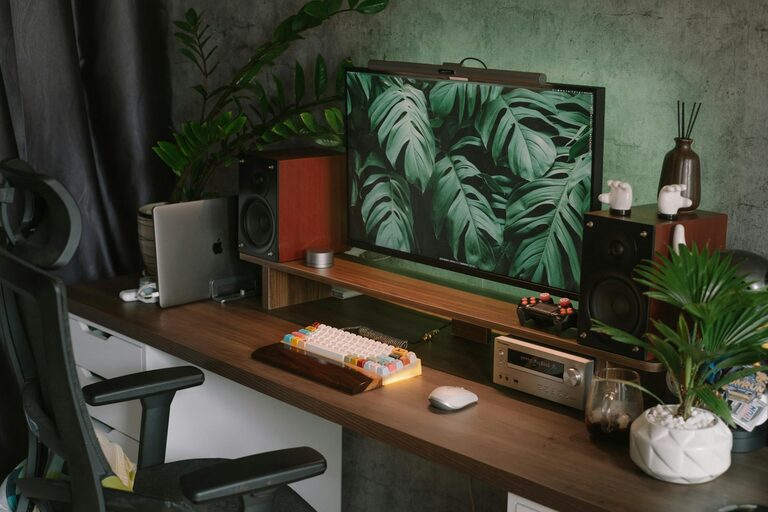
Tips for Creating a Relaxing Home Office Environment
Creating a relaxing home office environment is essential for maintaining focus and well-being while working remotely. A well-designed workspace can enhance productivity, reduce stress, and help you separate work from personal life. Whether you have a dedicated room or a small corner in your living space, these tips will help you create a calm and comfortable home office tailored to your needs.
1. Choose the Right Location
Your home office should be in a quiet area with minimal distractions. If possible, select a space away from high-traffic zones such as the kitchen or living room. Natural light is a bonus as it can improve mood and energy levels, so try to position your desk near a window.
Consider Noise Control
If noise is an issue, try using noise-cancelling headphones or adding soft furnishings like rugs and curtains to absorb sound. White noise machines or background music at low volume can also help mask distracting sounds.
2. Invest in Comfortable Furniture
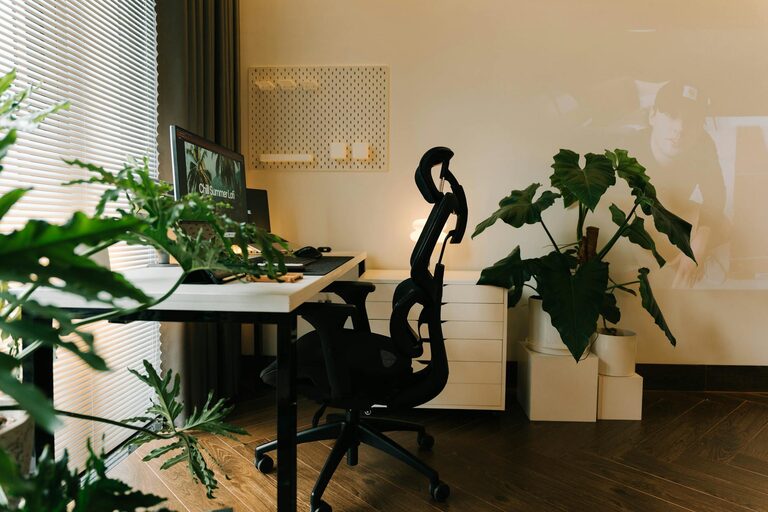
Comfort is key when spending long hours working. Choose an ergonomic chair that supports good posture to prevent back and neck pain. Your desk should be at a comfortable height to keep your arms at a 90-degree angle while typing.
Ergonomics Tips
– Keep your monitor at eye level to avoid neck strain.
– Use a footrest if your feet don’t touch the floor comfortably.
– Consider standing desks or adjustable workstations for flexibility.
3. Keep It Organized and Clutter-Free
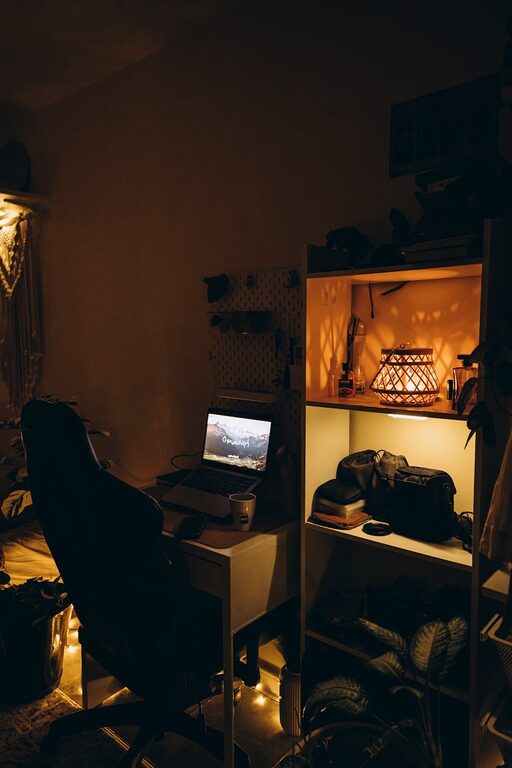
Clutter can create stress and reduce focus. Use storage solutions like shelves, filing cabinets, and desk organizers to keep your workspace tidy. Make a habit of clearing your desk at the end of each day to start fresh the next morning.
Simple Organization Hacks
– Label storage boxes and drawers for easy access.
– Use cable organizers to manage cords.
– Limit the items on your desk to essentials.
4. Personalize Your Space
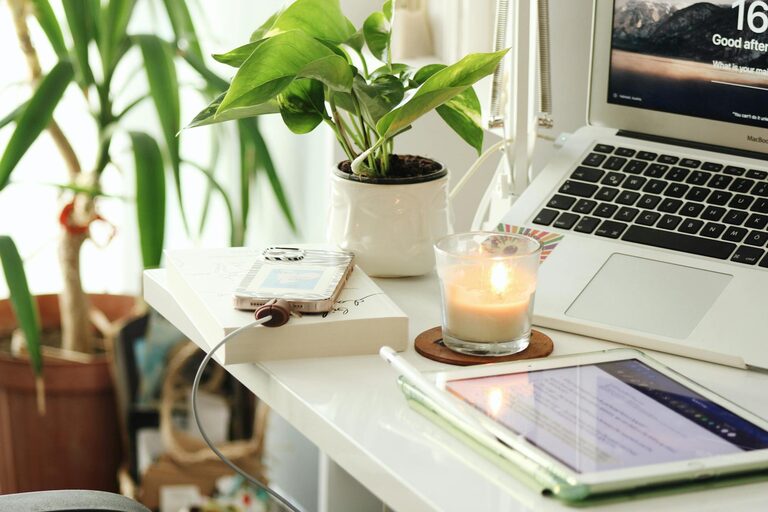
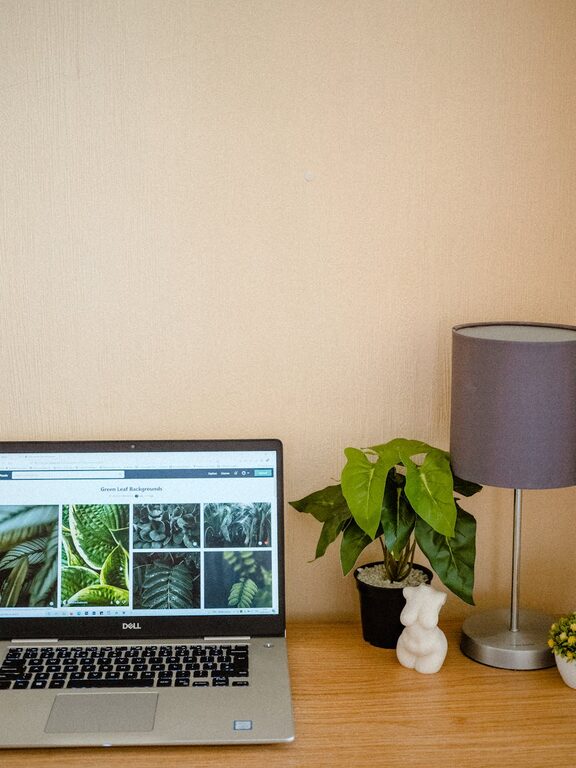
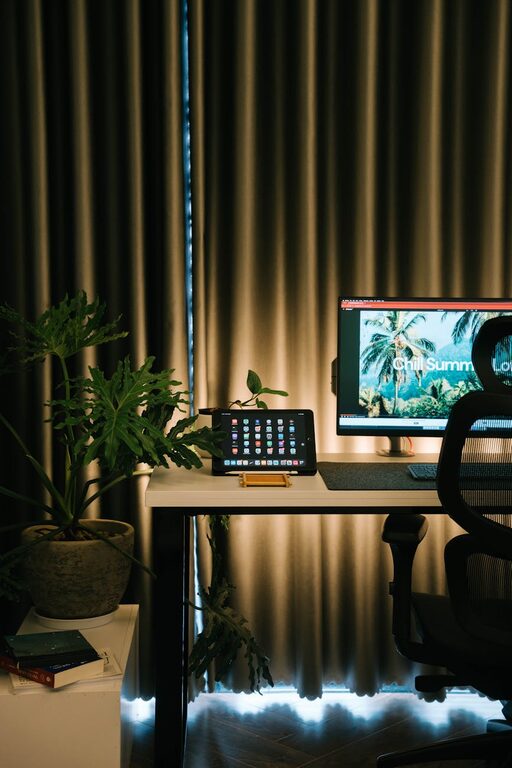
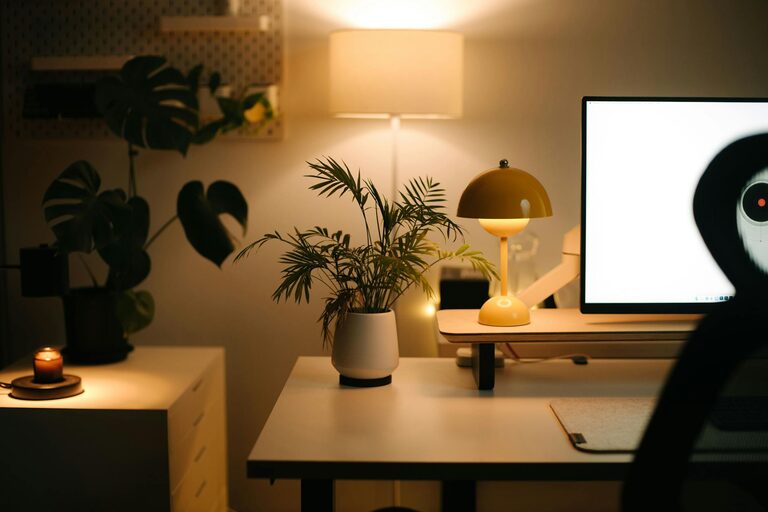
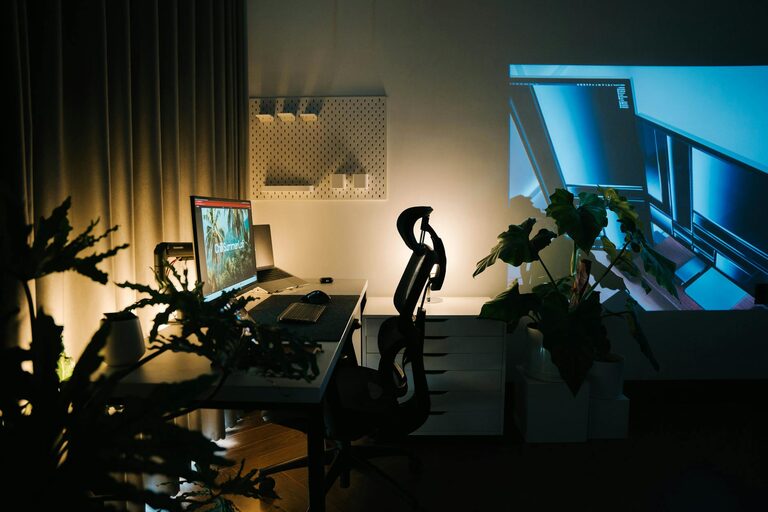
Adding personal touches can make your home office feel inviting. Display photos, artwork, or plants that bring you joy. Plants not only brighten up a space but can also improve air quality and create a calming atmosphere.
Plant Suggestions for Your Office
– Succulents and cacti require minimal upkeep.
– Peace lilies and spider plants help clean the air.
– Lavender or jasmine can provide soothing scents.
5. Control Lighting
Proper lighting reduces eye strain and keeps you alert. Combine natural light with artificial lighting for a well-lit workspace. Use adjustable desk lamps with warm or neutral light to create a cozy ambiance in the evenings.
Lighting Tips
– Avoid harsh overhead fluorescent lights.
– Position your monitor to minimize glare.
– Consider smart bulbs to adjust brightness and color temperature throughout the day.
6. Manage Temperature and Air Quality
Comfortable temperature and fresh air can improve concentration. Keep your room well-ventilated by opening windows regularly or using air purifiers. Use fans or heaters to maintain a consistent temperature that suits your preference.
7. Set Boundaries and Break Areas
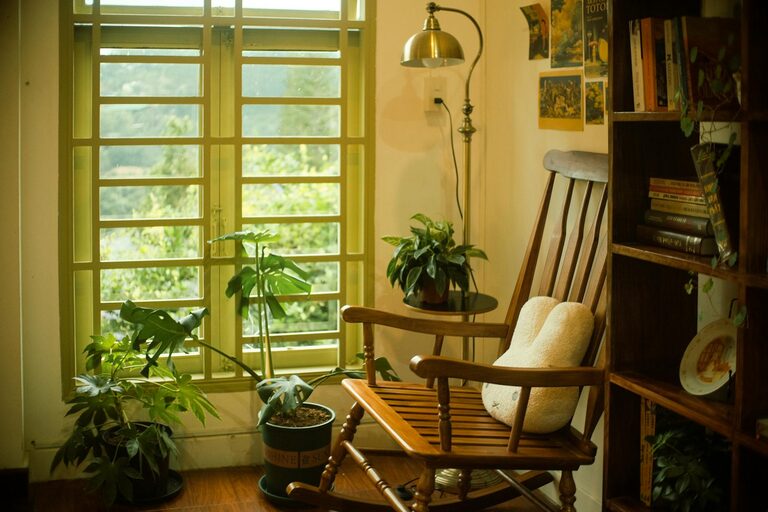
To create balance, designate areas for work and relaxation. If space allows, set up a small spot with a comfy chair or cushion where you can take breaks and unwind. Establish clear work hours to avoid burnout and maintain a healthy routine.
8. Use Calming Colors
Colors influence mood. Opt for soft, neutral tones or pastel shades like light blue, green, or beige for your walls and decor. These hues are known to promote calmness and reduce stress, making your workspace more inviting.
9. Incorporate Aromatherapy
Scent can have a powerful effect on relaxation. Use essential oil diffusers with calming fragrances such as lavender, eucalyptus, or chamomile to create a peaceful environment. Just ensure scents are not overwhelming and consider any sensitivities.
10. Keep Technology Efficient and Minimal
Technology is essential but can also cause distractions. Use only the devices you need and keep cables organized. Regularly update your software and ensure your internet connection is stable to avoid frustration.
—
Final Thoughts
Designing a relaxing home office environment does not have to be complicated or expensive. By paying attention to location, comfort, lighting, and personalization, you can create a space that helps you work efficiently while supporting your well-being. Consider these tips as a starting point and customize your office to what makes you feel calm and focused.
Creating this balance is key to staying productive and enjoying your time working from home. Take small steps each day and watch how your workspace transforms into a sanctuary that supports both work and relaxation.